What is a Skid Steer Loader? How It Works
If you’re new to the construction, landscaping, or agricultural machinery industry, you’ve probably seen those compact, agile machines capable of sharp turns and lifting heavy loads. These are skid steer loaders, and they’re revolutionizing the way professionals and owners approach projects. But what makes them so unique, and how do they work so efficiently?
What is a Skid Steer Loader?
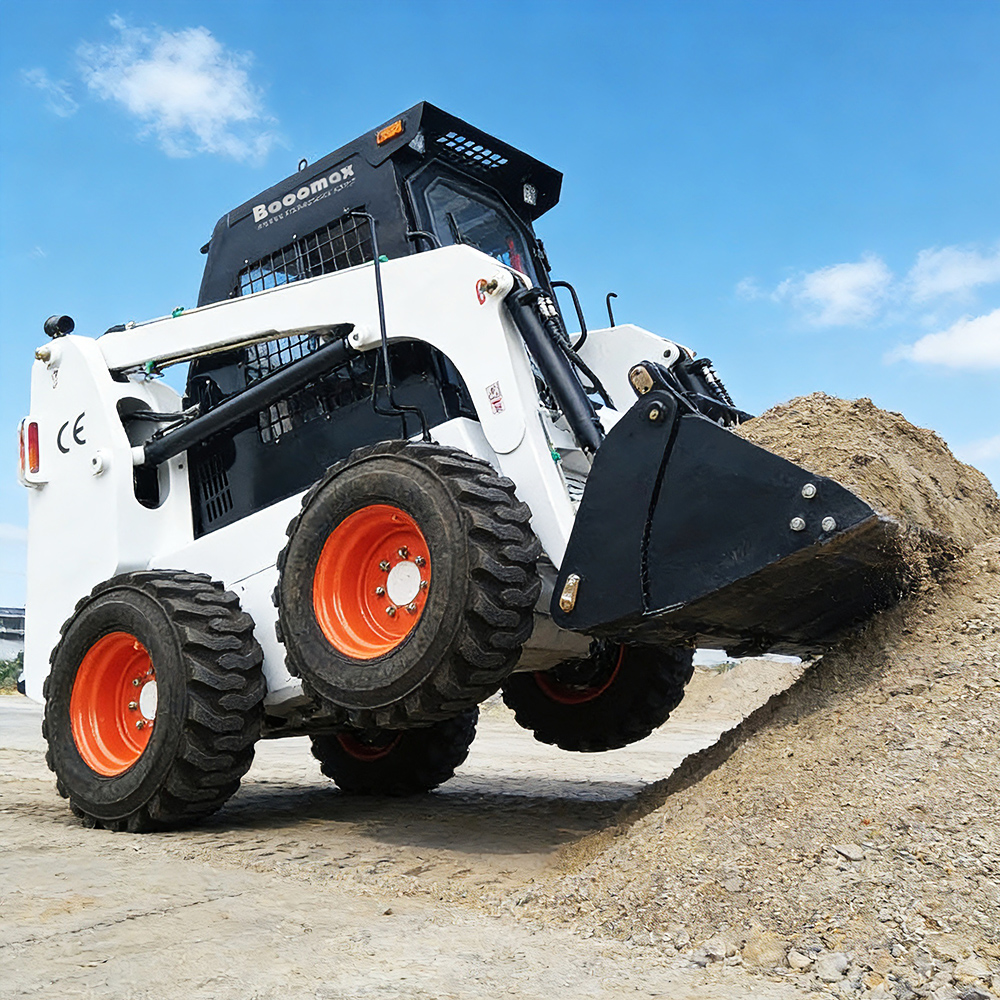
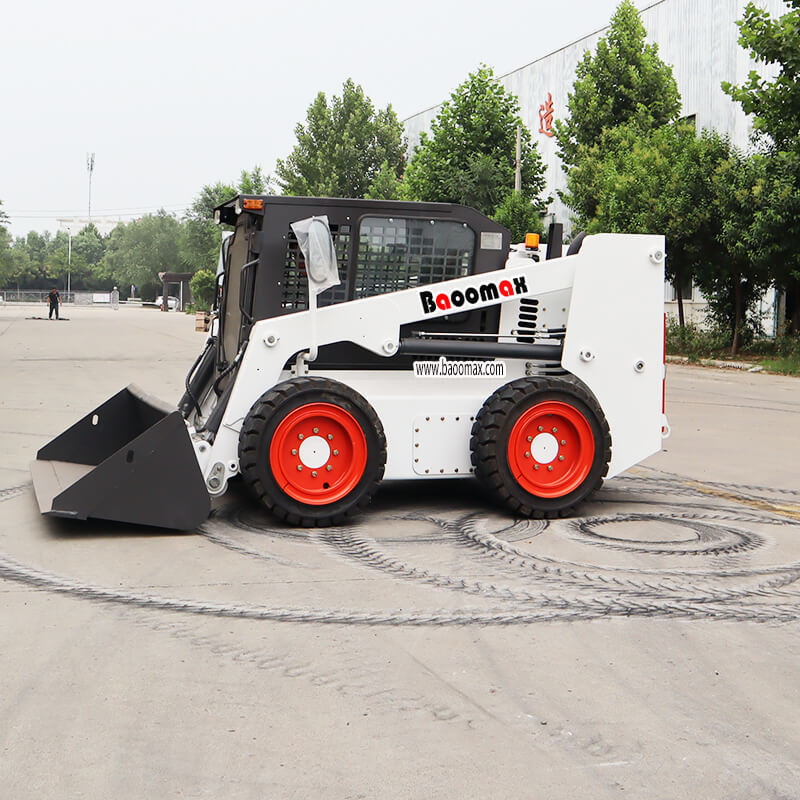
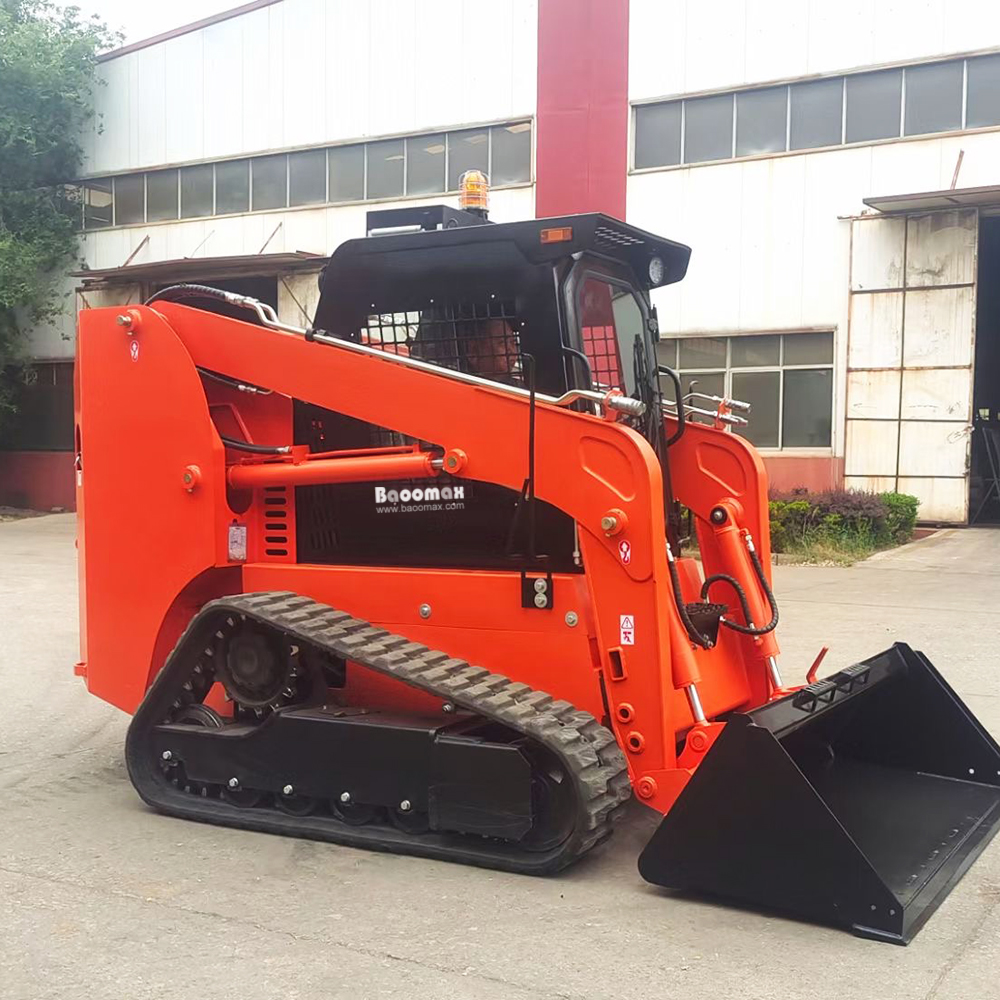
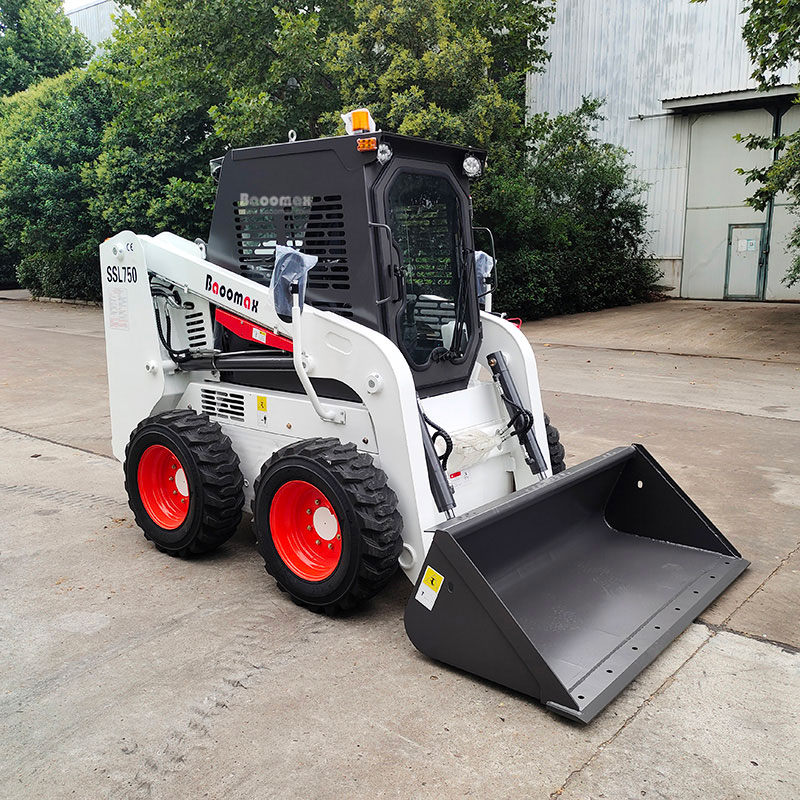
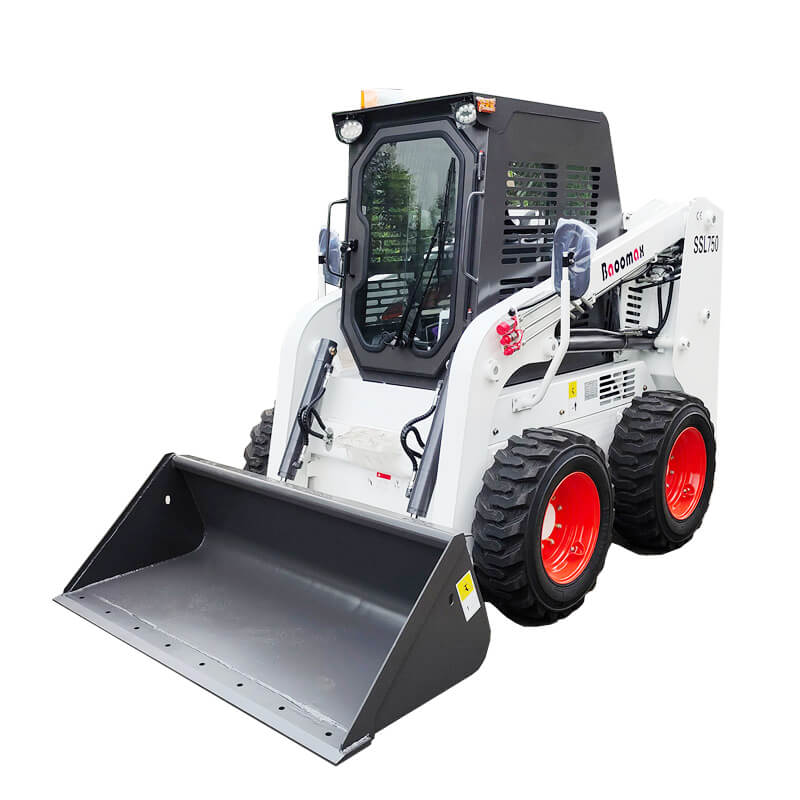
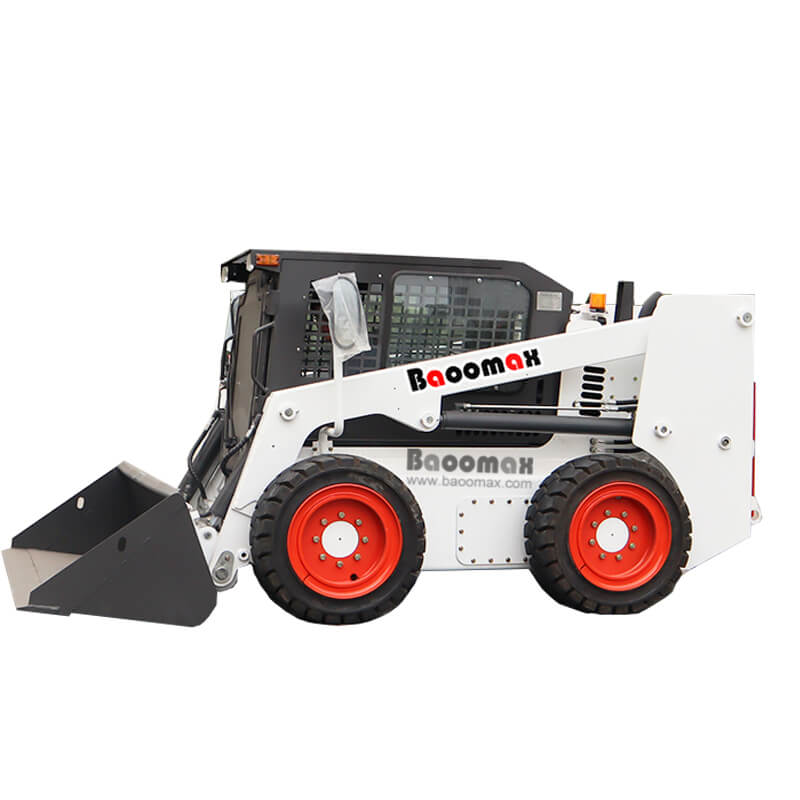
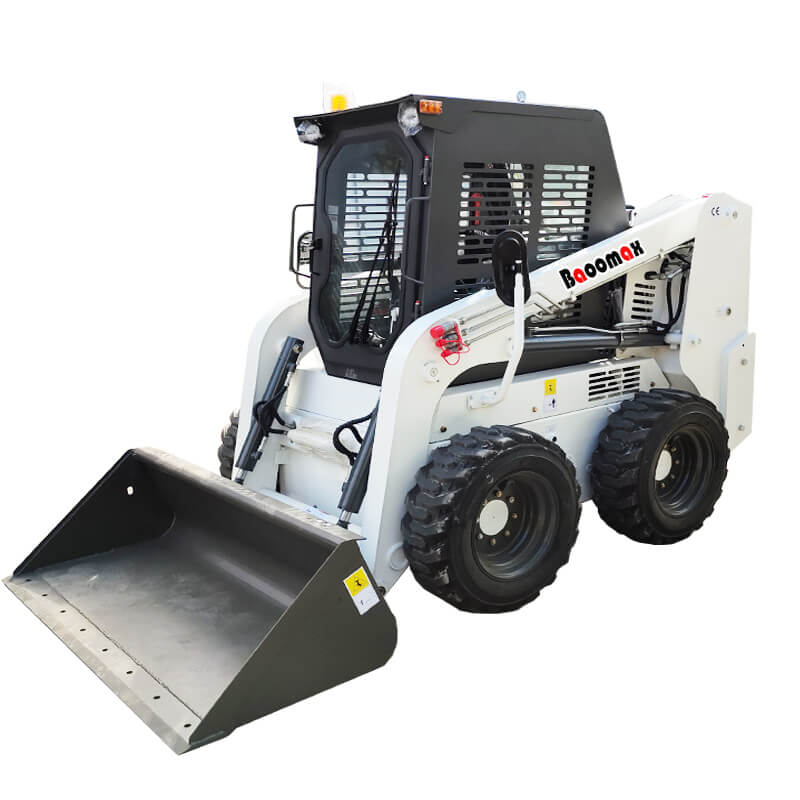
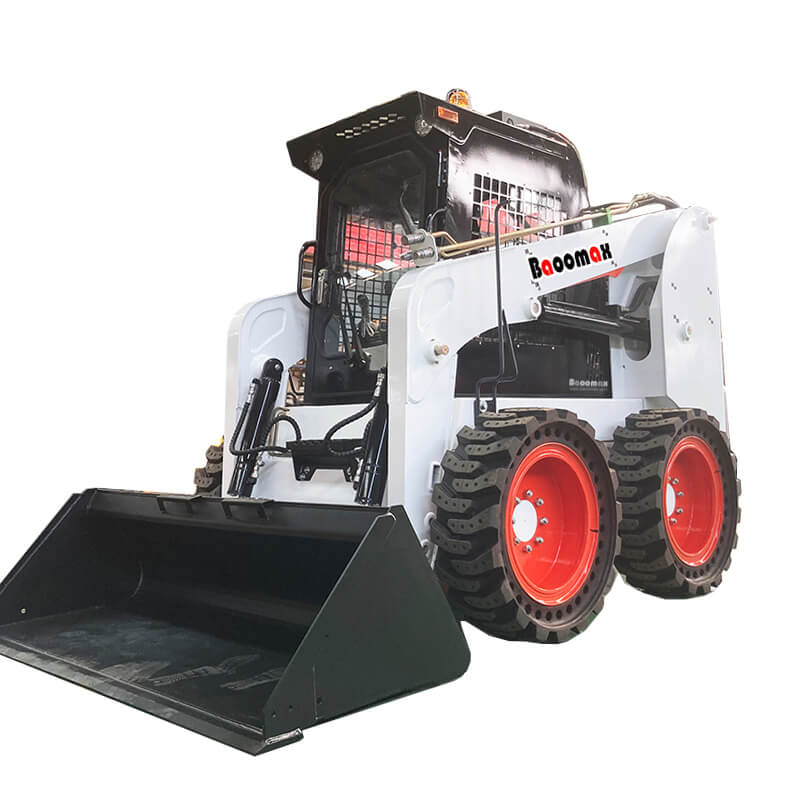
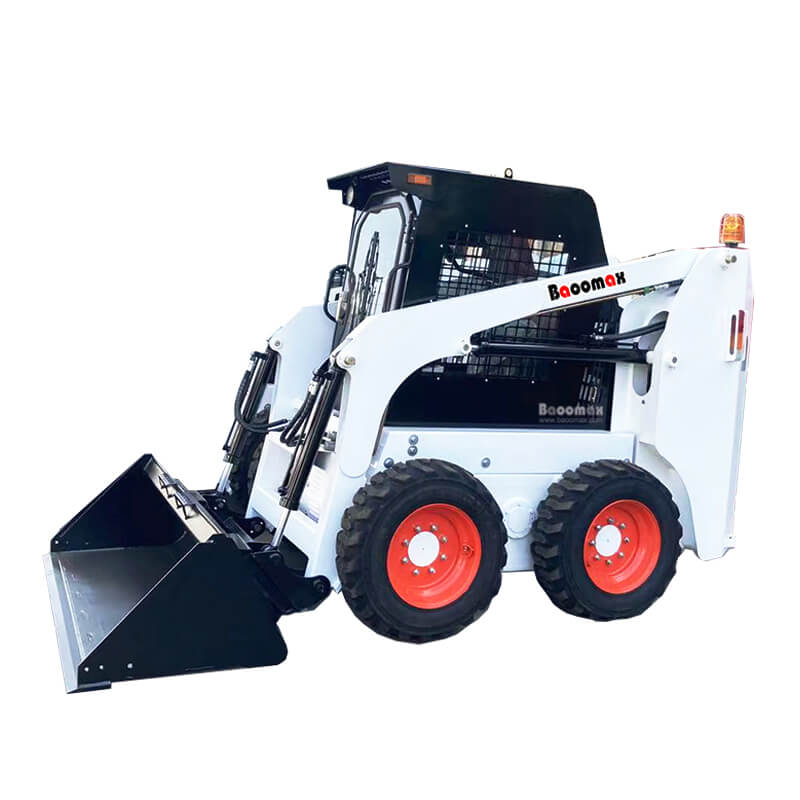
A skid steer loader is a compact, rigid-framed machine with a lifting arm that can connect to various accessories or buckets. Its unique feature lies in its steering mechanism: unlike vehicles with a steering axle, skid steer loaders achieve steering by independently controlling the speed of the wheels on either side. This steering method produces the distinctive “skid” motion characteristic of skid steer loaders, hence their name.
How does skid steering work? It’s simpler than you might think:
Left and right control: Each set of wheels (or tracks) on both the left and right sides is driven independently.
Steering principle:
When turning right, the right-side wheels decelerate or stop, while the left-side wheels continue to move forward.
When turning in place (“zero-radius turn”), one side of the wheels moves forward, while the other side moves backward.
This design eliminates the need for a traditional steering system, giving the machine exceptional maneuverability in confined spaces such as barns, construction sites, or between buildings.
Key Components You Need to Know
Every skid steer loader consists of several key components:
Lift arm: The main hydraulic boom (usually a vertical or radial boom) responsible for performing heavy lifting tasks.
Cabin: The operator’s seating area, equipped with safety features such as a rollover protection structure (ROPS).
Hydraulic System: Provides power to the lifting boom and attachments, and typically provides auxiliary power to tools.
Quick Change System: Standardized connecting plates (usually universal skid steer loader quick change plates) allow the operator to change tools in minutes without leaving the cab.
Why Skid Steer Loaders Are So Popular: Key Advantages
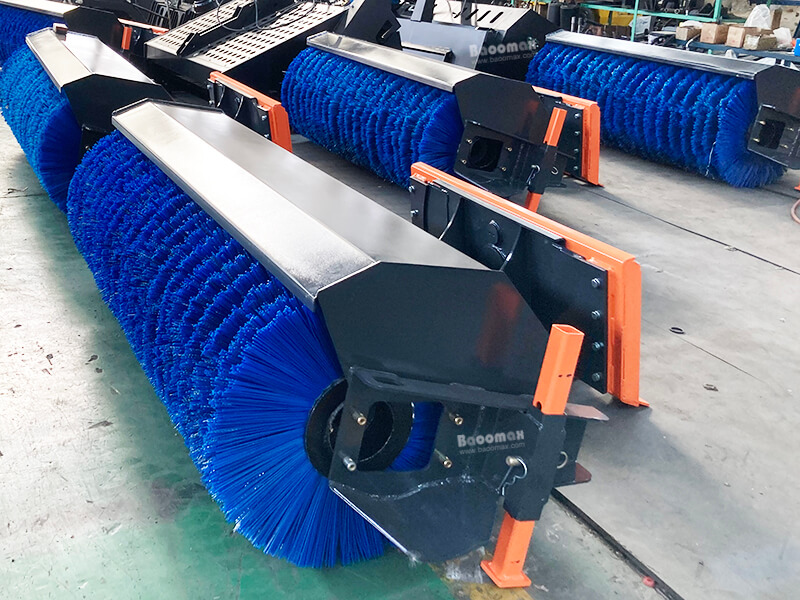
Unparalleled Versatility: Equipped with dozens of attachments—from buckets and augers to snow blowers and trenchers—one machine can do the work of ten.
Compact Size and Flexibility: Their small footprint allows them to operate in spaces inaccessible to larger equipment.
Ease of Operation: Modern models feature intuitive joysticks or hand/foot controls, resulting in a relatively short learning curve.
Power-to-Size Ratio: Don’t be fooled by their small size; skid steer loaders offer excellent lifting and digging capabilities commensurate with their dimensions.
Common Applications Across Industries
Construction: Site clearing, material handling, land leveling, truck loading.
Landscaping: Excavation, land leveling, soil/mulch transportation, tree planting, demolition.
Agriculture: Barn cleaning, feed processing, hay bale handling, routine farm maintenance.
Municipal/Government: Snow removal, park maintenance, road repair.
Should You Rent or Buy a skid steer loader ?
It depends on your needs:
Rent is ideal for short-term projects, trying out different models, or situations where maintenance is inconvenient.
Purchase is more cost-effective, especially for frequent use (over 100 hours per year), situations requiring stable availability, or long-term investments.
Beginner’s tip: Always operate under the guidance of an experienced operator or receive formal training first. Understanding load limits, stability, and safe operation is crucial before driving yourself.