Skid Steer Loader Maintenance & Service Tips
Proper maintenance of skid steer loaders is key to extending machine life, reducing downtime, and protecting your investment. Whether you operate Bobcat, Caterpillar, John Deere, or Baoomax equipment, regular maintenance directly impacts fuel efficiency, hydraulic performance, and resale value.
This guide will cover the following:
Daily Inspection Checklist; Preventative Maintenance Plan
Hydraulic System Maintenance; Engine and Cooling System Maintenance Techniques
Track and Tire Maintenance; Common Problems and Troubleshooting
Cost-Saving Maintenance Strategies ; The Importance of Skid Steer Loader Maintenance
A well-maintained skid steer loader can operate for over 10,000 hours. Improper maintenance can halve its lifespan.
Benefits of regular maintenance:
✔ Reduced repair costs
✔ Reduced downtime at construction sites
✔ Increased resale value of equipment
✔ Improved fuel efficiency
✔ Enhanced safety compliance
1.skid Steer Loader Daily checklist
Before starting work each day, perform a 10-15 minute check:
Visual Inspection:Check the bottom of the machine for fluid leaks; Check hydraulic hoses for cracks.
Check tire or track wear; Check for loose bolts or damaged accessories.
Fluid Levels: Engine Oil; Hydraulic Oil; Coolant;Fuel
Air Filter Check:Dust and debris can quickly clog air filters, especially on construction sites and farms. Clean or replace as necessary.
Pro Tip: 80% of engine wear is caused by clogged intake systems.
2.Preventative Maintenance Plan (by Operating Hours)
Following an hourly maintenance plan-skid steer loader maintenance cycle
Every 50 hours: Lubricate all pivot points; Check belt tension; Check battery terminals
Every 250 hours: Change engine oil and oil filter ; Change fuel filter; Check hydraulic fluid condition
Every 500 hours: Change hydraulic filter; Check drive chain; Check wheel nut torque
Every 1000 hours:Flush cooling system; Change hydraulic fluid; Check fuel injectors
Please always refer to the manufacturer’s service manual for accurate maintenance schedules.
3.Hydraulic System Maintenance Tips
Hydraulic system problems are among the most common failures in skid steer loaders.
How to protect your hydraulic system:Keep the hydraulic oil clean; Replace the filter on time;
Avoid mixing different types of hydraulic oil; Regularly check quick couplings.
Signs of hydraulic system failure:Slow attachment response;Reduced lifting force;Overheating; Unusual noise.
Hydraulic system repairs can cost thousands of dollars—preventative maintenance is much more economical.
4.Engine and Cooling System Maintenance
Overheating is one of the main causes of machine downtime.
Preventing Overheating:In dusty environments, clean the radiator daily; Check the coolant level ; Check the fan belt.
Remove debris from the engine compartment.
If your skid steer loader operates in hot climates, increase the frequency of checks.
5.Tire and Track Maintenance
Proper chassis maintenance has a significant impact on performance.
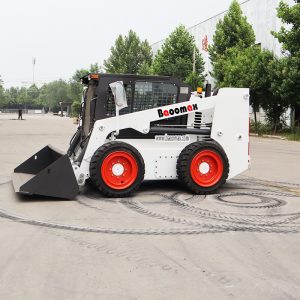
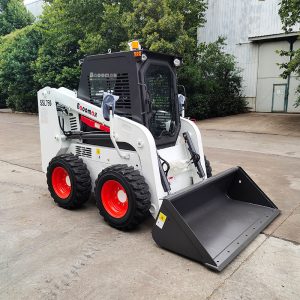
For wheeled skid steer loaders: Maintain proper tire pressure; Rotate tires whenever possible; Inspect tire sidewalls for damage.
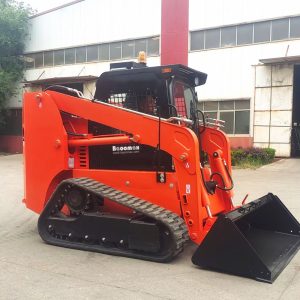
For tracked skid steer loaders: Check track tension; Remove debris from rollers; Inspect sprockets and idler pulleys.
Chassis repair costs for tracked skid steer loaders can account for up to 50% of total maintenance costs.
6.Common Skid Steer Loader Faults and Quick Solutions
Fault: Skid Steer Loader Won’t Start, Possible Causes:
Insufficient Battery Power; Clogged Fuel Filter; Starter Motor Fault
Fault: Insufficient Power, Possible Causes:
Dirty Air Filter; Fuel Supply Problem;Hydraulic Pressure Loss
Fault: Excessive Smoke
Black Smoke → Fuel Problem; White Smoke → Coolant Leak; Blue Smoke → Oil Consumption; Early diagnosis can prevent major repairs.
7.How to Extend the Service Life of Your Skid Steer Loader
Want your machine to run for over 8,000 hours?
✔ Warm up the engine before heavy loads
✔ Avoid sharp turns on hard surfaces
✔ Use the correct attachments
✔ Store indoors whenever possible
✔ Keep detailed maintenance records
Good documentation also increases the machine’s resale value.
8.When to Replace, Not Repair?
Replacement should be considered in the following situations:
Repair costs exceed 50% of the machine’s value
Frequent hydraulic system failures
Major engine overhaul required
Operating time exceeds 8,000-10,000 hours
Developing a strategic replacement plan can prevent unexpected downtime.
9. Summary: Preventative Maintenance = Maximum Profit
Skid steer loaders are high-value assets. Continuous maintenance ensures:
Maximum uptime;Lower operating costs;Higher productivity;Higher ROI
Whether you manage a construction fleet or a landscaping company, following a structured maintenance plan can protect your investment for years to come.
10. Frequently Asked Questions
How often should a skid steer loader be serviced?
Perform a basic check daily, change the oil every 250 hours, and perform a full service every 1000 hours.
What is the service life of a skid steer loader?
With proper maintenance, the service life can exceed 10,000 hours.
What are the most common problems with skid steer loaders?
Hydraulic system contamination and overheating.